
15 Household Products You Can Stop Buying and Make Yourself
Have you ever looked at the price of household essentials and thought to yourself, there must be a cheaper option?
From cleaning spray to laundry products to air fresheners and other little grocery items –all those small purchases can really add up!
The good news is that you can make some everyday household products yourself using inexpensive ingredients you may already have at home.
Not only can this help you save money, but it can also reduce packaging waste and cut down on the number of products cluttering your cupboards.
Of course, DIY isn’t always cheaper than buying a store-brand product, so it’s worth comparing costs before making the switch.
The biggest savings often come from products you use regularly and can make in small batches, such as homemade salad dressing, granola, breadcrumbs, or simple cleaning supplies.
Here are 15 household products you can stop buying and start making yourself.
Related Posts:
- 20 Zero waste swaps that save money
- 20 Things I stopped buying as a minimalist to save money
- 30 old-fashioned frugal tips I learned from my grandma
Table of Contents
1. All-Purpose Cleaning Spray
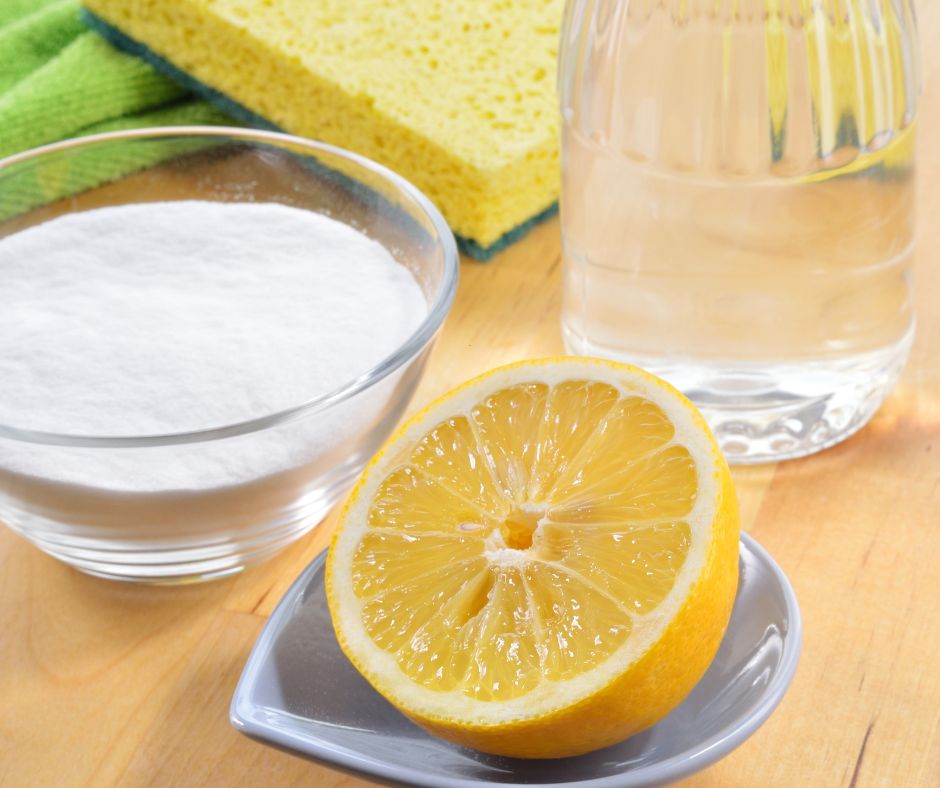
You can make an all-purpose cleaning spray to clean a variety of surfaces in your home, including tubs, counters, tiles, floors, and more.
You just need an empty spray bottle and some basic household staples to get started. Combine the ingredients in a big bowl or use a funnel to pour into a spray bottle.
How to make it with liquid castile soap:
- 3 cups water
- 2 tablespoons liquid castile soap
- 3-5 drops essential oils
How to make it with vinegar:
- 1 cup water
- 1 cup distilled white vinegar
- 1 teaspoon liquid dish soap (such as Dawn)
- 5-10 drops essential oils
I recommend making small batches rather than storing homemade mixtures for long periods. Label the bottle clearly and keep it away from children and pets.
Avoid using this mixture on delicate stone, untreated wood, or surfaces that are sensitive to soap or moisture. Remember that it’s a cleaner, not a disinfectant.
2. Homemade Glass Cleaner
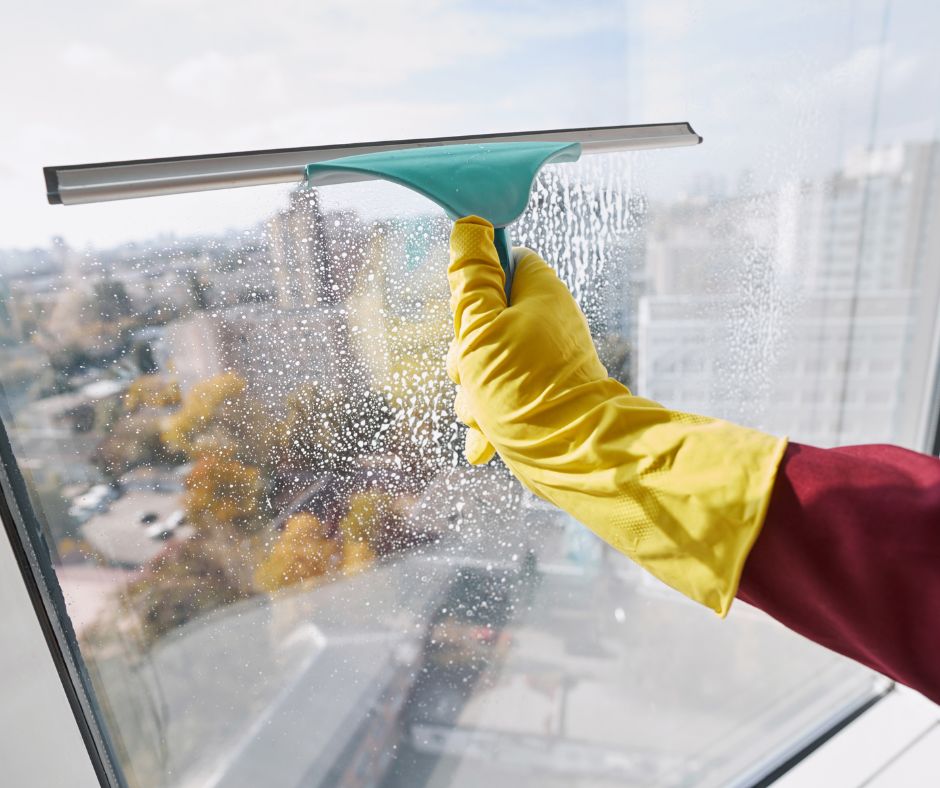
If you have young kids, you know how quickly mirrors and windows in the house can become covered with little fingerprints.
Fortunately, you can use a little diluted vinegar to make it look sparkling clean again.
How to make it:
- 1 cup filtered or distilled water
- 1 cup distilled white vinegar
- 5-10 drops essential oils (optional)
Pour the ingredients into a spray bottle using a funnel, secure the lid, and shake gently to mix.
Spray on the surface and use a lint-free microfiber cloth or crumpled black and white newspaper to wipe clean.
Never use vinegar on natural stone such as marble or limestone, and don’t mix it with bleach or other cleaning products.
3. Fabric Refresher
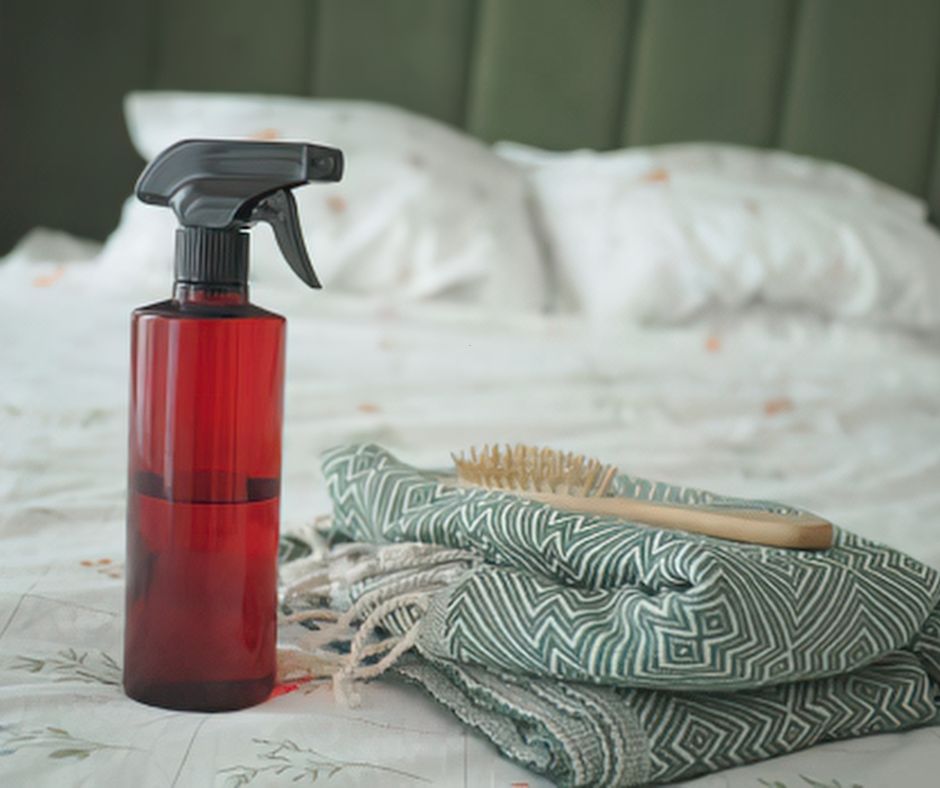
If you need to refresh a blanket, throw pillow, a sofa, or an article of clothing, there are a few simple ways you can do this.
What to do:
- Air out blankets, cushion covers, and washable fabrics.
- Wash removable covers according to their care labels.
- Use a vacuum upholstery attachment to remove dust and crumbs.
- Use a DIY fabric refresher spray
Money-saving tip: Regularly washing and airing out fabrics can help reduce lingering odors without buying an additional product.
Most traditional fabric refresher sprays contain harmful ingredients and artificial fragrances, which are not good for pets, young kids, or people with sensitives.
You can make a DIY fabric refresher spray using distilled white vinegar, high-proof vodka or 70% rubbing alcohol, and essential oils.
If you’re using a fabric refresher spray, make sure to always do a patch test on fabrics first.
4. Reusable Cleaning Cloths
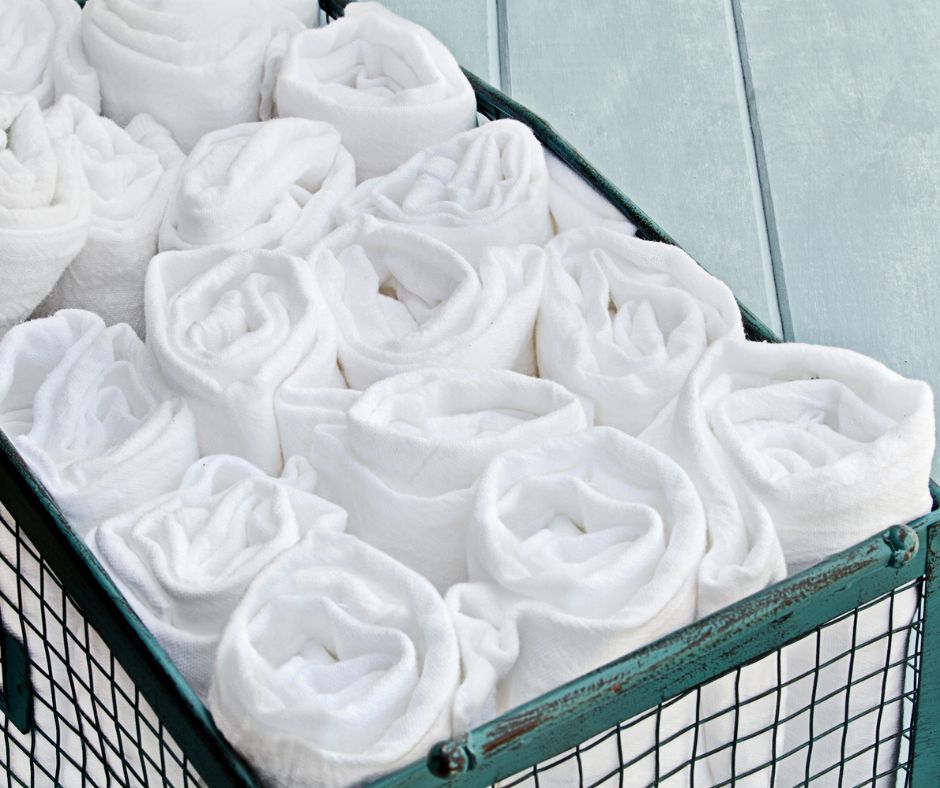
While paper towels are convenient, the cost can add up when you use them for every spill and wipe-down.
To save money and cut down on waste, use old cotton t-shirts, towels, and pillowcases to wipe countertops, clean up spills on the floor, or dust furniture.
How to make them:
- Choose clean cotton fabric.
- Cut it into manageable squares, about 10-12 inches wide.
- Keep separate cloths for kitchen surfaces, bathrooms, and general cleaning.
- Wash after use and let them dry thoroughly.
Money-saving tip: Keep a small basket of clean cloths within easy reach so you don’t automatically reach for a paper towel. I like to keep a basket under the kitchen sink.
Toss dirty cloths in the washing machine to make them clean again. Avoid using fabric softener when washing cleaning cloths as this can reduce their absorbency.
5. Homemade Bread Crumbs
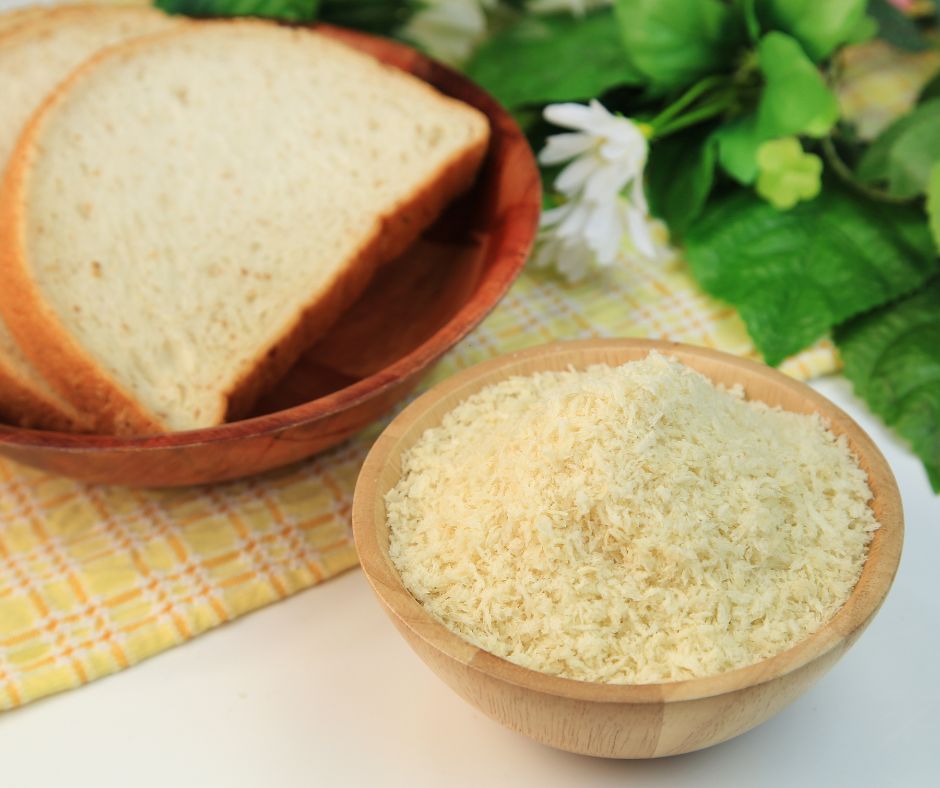
Don’t toss away that stale loaf of bread. Make homemade bread crumbs instead! This is one of the easiest pantry-staple items to make. Plus, you’ll prevent food waste and save a little money.
How to make them:
- Tear the bread into small chunks or cubes.
- Place them in a food processor and pulse until you’ve reached your desired crumb size.
- Spread the crumbs evenly on a baking sheet and bake until dry and crispy.
- Store in an airtight container in the freezer for longer keeping.
Use homemade bread crumb for meatballs, burgers, making crispy chicken, or use as a crunchy topping.
Money-saving tip: Freeze leftover bread slices until you have enough to make a batch.
6. Homemade Croutons

Stale bread is also great for crunchy homemade croutons to use on salads or soups.
How to make them:
- Cut bread into cubes.
- Toss with a little olive oil and your preferred seasonings (I like Italian).
- Spread evenly on a baking sheet and bake in the oven until crisp and golden.
- Cool completely before storing.
Money-saving tip: Homemade croutons are a simple way to use up stale bread instead of buying pre-made croutons at the grocery store.
7. Homemade Oat Flour
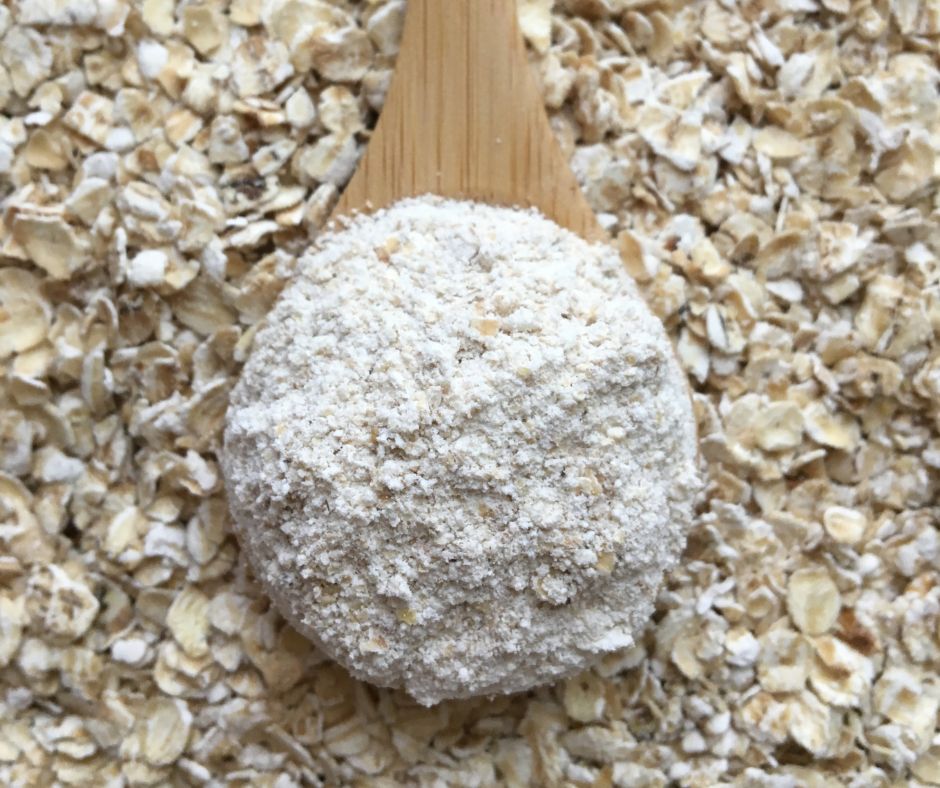
If a recipe calls for oat flour, you can easily make it at home using rolled oats.
How to make it:
- Add rolled oats to a high-speed blender or food processor.
- Blend until they form a fine powder.
- Store in an airtight container.
You can use homemade oat flour in suitable muffin, pancake, and quick-bread recipes.
Money-saving tip: Make only as much as you need, particularly if you don’t bake with it often.
8. Homemade Vegetable Stock
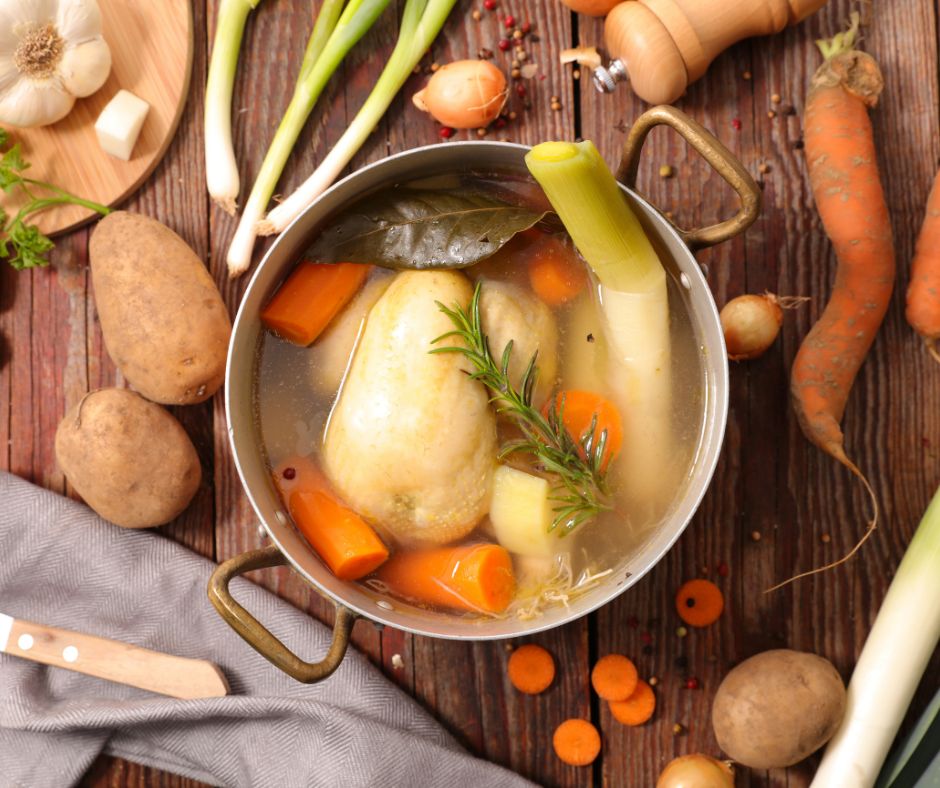
While it’s convenient to buy store-bought vegetable stock, making your own stock at home using vegetable trimmings and kitchen staples is easy to do. Plus, it saves money and reduces food waste.
How to make it:
- Save clean vegetable trimmings such as carrot ends, celery leaves, and onion scraps in a freezer bag.
- Once your bag is full, simmer vegetable scraps in water with herbs for about 45 to 60 minutes.
- Strain and cool completely before storing.
- Refrigerate for up to 3 to 4 days or freeze in meal-sized portions.
Avoid using cruciferous and sulfurous vegetables like broccoli, cauliflower, cabbage, Brussels sprouts, kale, and turnip/beet greens, which can turn the broth bitter or overly pungent.
Money-saving tip: Freeze stock in measured portions so you can thaw exactly what you need for a recipe.
9. Homemade Salad Dressing
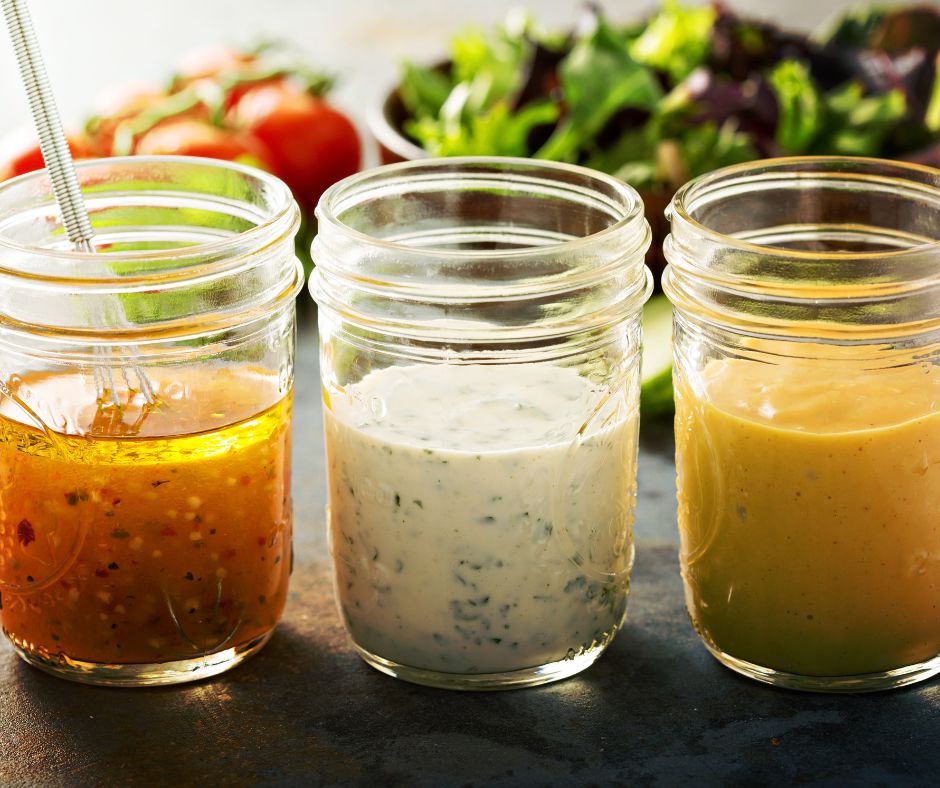
Bottled salad dressings are a convenient option, but making your own is quick and gives you control over the ingredients.
You probably have all the ingredients you need to make a delicious salad dressing at home, like olive oil, vinegar, Dijon mustard, and honey.
I’ve been making my own salad dressings for over 10 years now. From simple lemon vinaigrette to creamy honey mustard, this is a great way to save money without sacrificing flavor.
Classic French vinaigrette:
- 3 tablespoons olive oil
- 1 tablespoon red or white wine vinegar (or fresh lemon juice)
- 1 teaspoon Dijon mustard
- 1-2 teaspoons finely minced shallot
- Salt and pepper to taste
Whisk or shake together until combined.
Money-saving tip: Make a batch on Sunday to enjoy quick and easy salads for lunch or dinner during the week.
Store homemade dressing in the refrigerator and use it within a 3 to 5 days. Olive oil will solidify in the fridge, let it come to room temperature before using.
10. Homemade Taco Seasoning
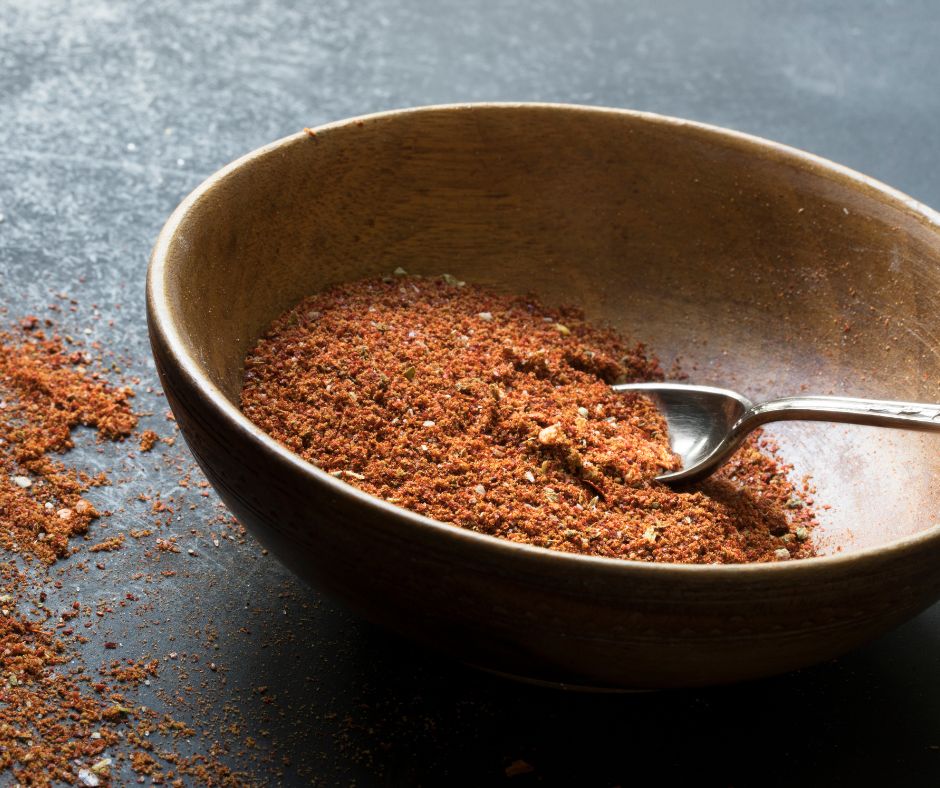
Packets of taco seasoning may not seem like a big expense, but the cost can add up if taco night is a regular thing in your house.
Making your own can be cheaper if you already keep basic spices on hand.
Simple taco seasoning:
- 1 tablespoon chili powder
- 1 teaspoon cumin
- 1 teaspoon garlic powder
- ½ teaspoon smoked paprika
- ½ teaspoon oregano
- ¼ teaspoon onion powder
- Salt and black pepper to taste
Mix well and store in a labeled airtight jar for up to 6 months.
Money-saving tip: Adjust the quantities to suit your family and make a small batch to keep in your pantry.
11. Homemade Pancake Mix

Homemade pancake mix is quick and easy to prepare using pantry staples. It’s budget-friendly and free from unnecessary additives found in boxed pancake mix.
Basic dry mix for buttermilk pancakes:
- 1¼ cups all-purpose flour
- 1½ tablespoons granulated sugar
- 1 teaspoon baking powder
- ½ teaspoon baking soda
- ¼ teaspoon fine sea salt
Whisk together and store in a clean, airtight container.
When ready to cook, add the 1¼ cups buttermilk, 1 large egg, and 2 tablespoons melted butter or oil. You can find the full recipe here.
Money-saving tip: Make a double batch of the dry mix so breakfast comes together quickly on busy mornings.
Label the jar with the ingredients and the date and keep it dry. Add wet ingredients only when you’re ready to cook.
12. Homemade Granola
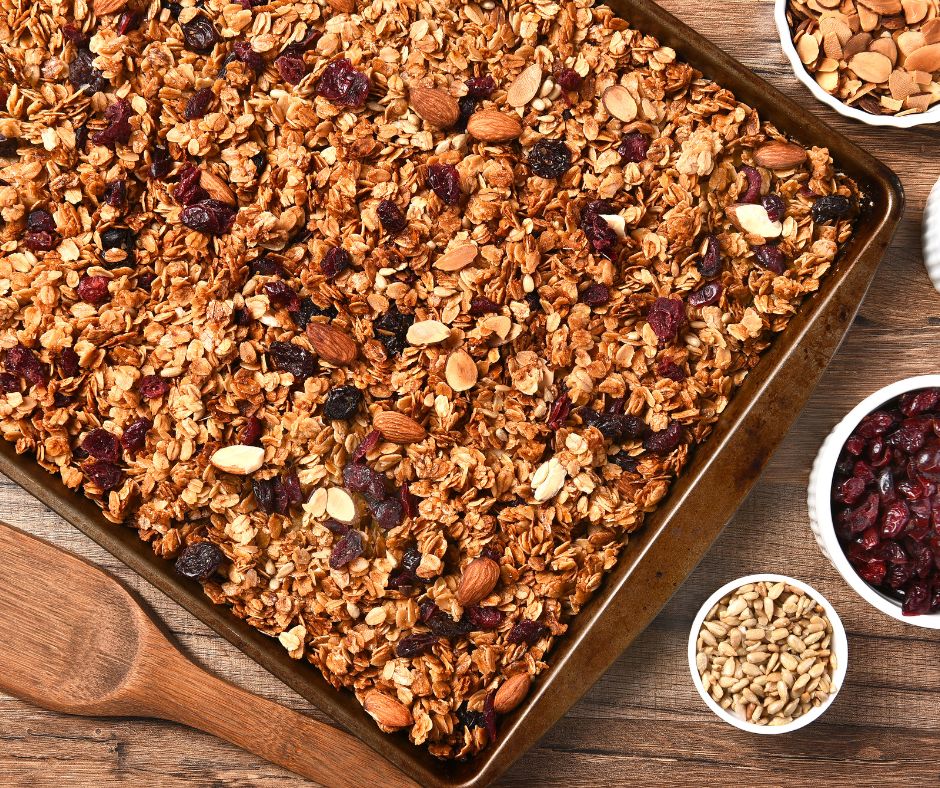
Store-bought granola can be expensive and full of seed oils or added sugar. Homemade granola is surprisingly easy to make with pantry staples like rolled oats, nuts, ground cinnamon, oil, and pure maple syrup.
How to make it:
- Combine rolled oats, chopped pecans, ground cinnamon, pure maple syrup, and melted coconut oil or olive oil.
- Spread evenly on a sheet pan and bake in the oven until golden brown.
- Add dried fruit or mini chocolate chips. Cool completely before storing in an airtight container.
Money-saving tip: Make a small batch using what you already have rather than purchasing extra ingredients. Get my favorite granola recipe here.
Keep the mixture stored at room temperature or in the freezer. Enjoy with yogurt, sprinkled on oatmeal, or smoothie bowls.
13. Homemade Simple Syrup

If you make iced coffee, mocktails, lemonade, or homemade drinks regularly, simple syrup is easy to prepare with just sugar and water.
How to make it:
- Combine equal parts sugar and water in a saucepan.
- Warm gently, whisking until the sugar dissolves.
- Cool and transfer to a clean container.
- Refrigerate and use within about one to two weeks, discarding it sooner if there are any signs of spoilage.
Money-saving tip: Make a small batch only when needed so you don’t end up throwing away unused syrup.
You can add extras like vanilla extract, scraped vanilla bean, almond extract, or ground cinnamon to make a flavored simple syrup.
14. Homemade Frozen Herb Cubes
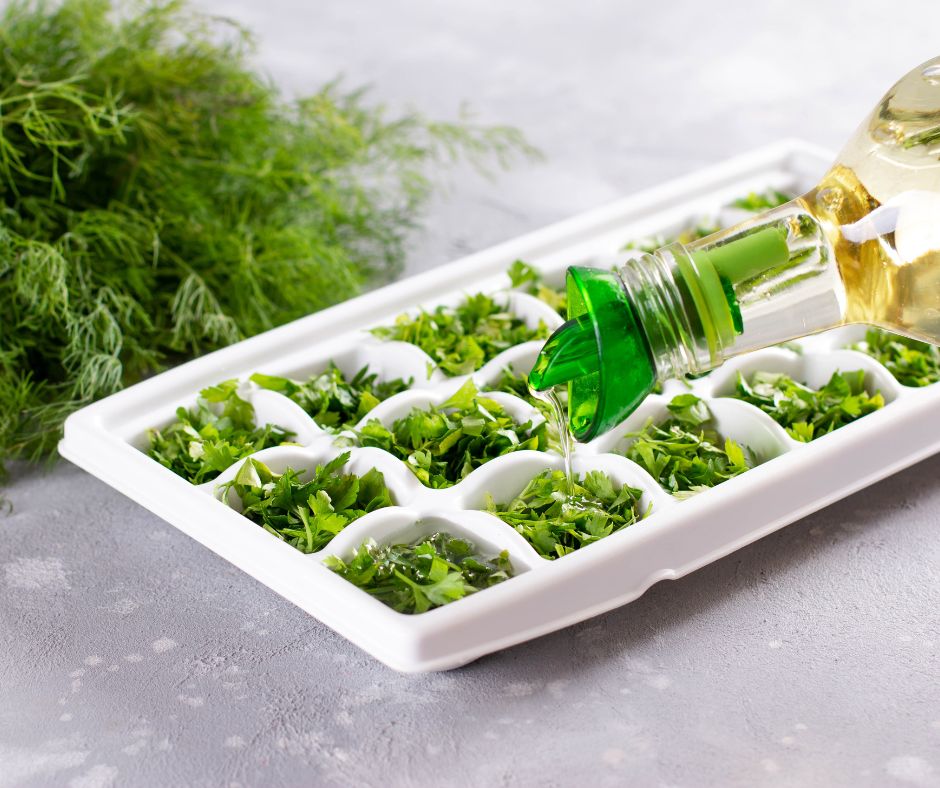
Fresh herbs can be expensive when a recipe requires only a small handful. Freezing leftover herbs helps prevent waste.
During the summer months, I like to grow herbs in my garden. I store excess herbs in the freezer so I can use them to make soups, stews, or pan sauces during the winter months.
How to make them:
- Finely chop clean herbs (or leave them whole).
- Place them in an ice cube tray.
- Cover with water or olive oil, depending on how you plan to cook with them.
- Freeze, then transfer the cubes to a labeled freezer bag.
Use water-based cubes in soups and stews, or oil-based cubes when sautéing vegetables or making pan sauces. Herbs frozen in oil maintain better flavor and color than herbs frozen in water.
15. Homemade Gift Tags and Gift Wrap

Gift wrap, tags, and decorative packaging can become surprisingly expensive, especially around Christmas and birthdays.
You can make attractive alternatives from materials you already have.
For gift tags, use things like cardstock, scrap paper, old greeting cards, or fabric. For gift wrap, use kraft paper, old newspapers, brown grocery store bags, or fabric.
How to make them:
- Cut gift tags from clean material.
- Decorate them with markers, stamps, leftover ribbon, or baker’s twine.
- Reuse gift bags and tissue paper that are still in good condition.
- Wrap gifts in clean kraft paper or reusable fabric.
Money-saving tip: Keep a small box for reusable gift bags, ribbons, and packaging so you can find everything when the next celebration rolls around.
You can even look to nature for making cute decorating ideas, such as dried flowers, cinnamon sticks, or dried orange slices.
A Few Things You Shouldn’t DIY Just to Save Money
While homemade alternatives can be useful, some products are better purchased from reputable manufacturers.
- Disinfectants: Use an appropriate registered disinfectant when sanitizing or disinfecting is necessary. Unfortunately, a homemade all-purpose cleaner is not a substitute.
- Laundry detergent: Homemade recipes often fail to clean heavily soiled clothes or athletic wear. It may leave residue, perform poorly in modern washing machines, or damage fabrics over time.
- Dishwasher detergent: Homemade detergent can damage the appliance or leave residue on dishes.
- Sunscreen: Homemade sunscreen cannot reliably provide the labeled level of UV protection.
- Personal-care products with preservation requirements: Water-based homemade mixtures can grow harmful microorganisms if not formulated and preserved correctly.
Never mix bleach with vinegar, ammonia, or other cleaning products. Combining household chemicals can release dangerous gases.
How to Tell Whether DIY Really Saves Money
Before replacing a store-bought product, compare the cost of the ingredients with the cost of the amount you would actually use.
Remember to account for:
- Ingredients you need to purchase specifically for the recipe.
- Containers and specialized tools.
- Preparation and cleanup time.
- Shelf life and the possibility of waste.
- Whether the homemade product performs as well as the store-bought item.
For most households, the easiest wins to save money and reduce waste are reusable cleaning cloths, homemade salad dressing, breadcrumbs, vegetable stock, and simple spice blends because they use ingredients or materials you may already have.
Below are some items that I personally prefer to buy from the store because they cost more money (or time) to make at home.
- Ice cream – Buying specialized equipment and quality ingredients isn’t worth it because we don’t eat ice cream regularly.
- Tomato paste – A can or tube of tomato paste is cheaper than buying fresh tomatoes and the time spent to reduce them at home.
- Peanut butter – Buying peanuts at the store to make peanut butter at home costs more than buying a jar of store-bought natural peanut butter.
- Beer – The brewing equipment, ingredients, and labor aren’t worth the money and time since we don’t drink beer regularly.
Final Thoughts
Saving money around the house doesn’t mean you need to make everything from scratch. The goal is to find a few easy swaps that fit naturally into your family’s routine.
Start with one or two ideas, compare the savings, and keep the ones that genuinely work for your household. A handful of small changes can help reduce waste, simplify your shopping list, and leave a little more room in your budget for the things you value most.