The No-Buy Year: 30 Things to Stop Buying in 2027
Do you want to save more money in 2027 without feeling like you have to give up everything you enjoy? A no-buy year might be just the reset your spending habits need.
The idea is simple: stop buying things you don’t really need, use what you already own, and become more intentional about where your money goes. You don’t have to give up every little treat or live like a minimalist to see the financial benefits.
Here are 30 things to stop buying in 2027, plus simple ways to save money without making your life feel boring.
Related Posts:
- 15 household products you can make instead of buying
- How to have a sucessful low-buy year
- I bought no new clothes for a year. What surprised me most
Table of Contents
Clothes and accessories
1. Clothes you buy just because they’re on sale
Just because something is 50% off doesn’t mean it’s worth buying. It’s easy to convince yourself that you’re saving money and being a smart shopper when you buy a $40 sweater for only $20.
But if you don’t need the sweater, and you wouldn’t have purchased it at full price, then you’re still spending money that you didn’t need to spend.
Shopping for sales can lead to a closet full of clothes you rarely wear, impulse purchases that don’t align with your personal style, and pieces you bought simply because the deal was too good to pass up.
2. Trendy pieces you’ll only wear once
We’ve all been there. You saw a cute outfit on social media, convince yourself that you need it, and it just happens to be on sale. This is a sign that you’re meant to buy it, right?
You get it for that one dinner, party, or special occasion. Then it hangs nicely in your closet for the next few years. Sound familiar?
Trendy clothes can be tempting, especially when you see everyone wearing the same thing. But before spending money on that viral dress you saw on TikTok, ask yourself how many times do you realistically plan to wear this item?
Instead of buying clothes just because they’re trendy, focus on versatile pieces that you genuinely love and you can style in a variety of ways. Choose to rent (or borrow) trendy clothes or special occasion pieces that you’ll only wear once.
3. Shoes that aren’t comfortable
I used to be guilty of this: buying a pair of shoes because they’re cute, trendy, or on sale, only to leave them sitting in my closet because they hurt my feet or gave me blisters.
I’d convince myself that I would break them in, especially if they were designer shoes.
But here’s the truth: if shoes hurt your feet every time you wear them, then they’re not worth the money.
Instead, focus on buying shoes that are comfortable and versatile for your current wardrobe.
Before purchasing another pair of shoes, ask yourself if you can walk comfortably and do they fit your lifestyle.
4. Duplicate handbags and accessories
It’s easy to accumulate duplicate handbags and accessories, especially when you see a cute pair of sunglasses on sale or convince yourself you need just one more handbag.
But if you already own several similar items, buying another one probably isn’t the best use of your money and closet space.
Instead of buying duplicate handbags, sunglasses, or jewelry, prioritize making the most of what you already have. Take good care of your favorite pieces and shop your closet before buying something new.
5. Workout clothes you don’t actually need
Matching sets, expensive designer sports bras, and trendy leggings are nice to have, but they aren’t adding value to your closet if you’re always reaching for the same two or three pieces.
If you keep buying new workout clothes as a form of motivation to get yourself to the gym (or your fantasy self), focus on making the most of what you already have.
Mix and match pieces you already own. It’s not necessary to buy specialized outfits for every workout or stock up every time a brand launches their new seasonal collection.
If you already have clean, comfortable workout clothes, wait until they are worn out or you genuinely more before purchasing something new.
Beauty and personal care
6. Beauty products before finishing what you own
Before you buy another fancy face serum or moisturizer, take inventory of what you already have in your beauty and personal care collection.
It’s easy to get tempted by the latest viral beauty trend or new skincare ingredient that promise miraculous results, but it’s wasteful spending to keep buying products when you already have perfectly good ones at home.
Most beauty and personal care product do expire and should be used up before they go bad.
This may look like texture changes (clumping or separating), color or odor shifts, or unexpected skin reactions after using an older product (stinging or redness).
7. Duplicate makeup products
Shop your own makeup collection before buying another lipstick or eyeliner. If you have an overflowing makeup drawer, then it can be easy to buy duplicate products and forget what you already have at home.
Use up what you have before buying replacements to save money and reduce waste.
8. Skincare products you bought because they went viral
It can be tempting to buy a new skincare products that are gaining popularity on TikTok or Instagram, especially when they promise incredible results.
But just because a new skincare ingredient is trending, doesn’t mean your skin needs it! I used to buy all those influencer-hyped face masks and expensive creams that I saw on social media, but many of them didn’t fit my skin type or gave me unexpected breakouts.
Instead, use what you already have at home before buying replacement products. Focus on investing in skincare that works best for your skin type and routine.
9. Perfumes you rarely wear
Perfume can be a nice little luxury, but it’s not the best use of your money to purchase a new fragrance if you already have bottles at home collecting dust.
My husband always gets tempted to buy a new fragrance when Costco has them on sale for the holidays. But I have to remind him that he already has perfectly good perfumes sitting on his dresser.
Instead, if you want to buy a new fragrance, try a sample first rather than spending money on a full-size bottle that you might rarely wear. Your wallet will thank you!
10. Hair products that don’t work for your hair
Before buying another shampoo, conditioner, hair treatment, or styling product, check to see what’s already in your bathroom cabinet.
I used to follow someone on social media who had the most beautiful thick, straight hair. Unfortunately, many of her recommended hair products didn’t suit my naturally fine, curly hair type.
Skip buying viral products that work wonders for someone else but do nothing for you. Instead, use up what you already have at home and focus on investing in products that work best for your hair type and texture.
Home and household items
11. Home decor for every new season
While it’s fun to buy new seasonal decorations every time the calendar changes, aim to reuse what you already have. There are many ways to refresh your space without blowing your budget.
If you really want to add some new Halloween or Christmas decorations to your home, try selling some of your older decorations that you don’t use anymore on Facebook Marketplace.
This will help you declutter and offset the cost of new items.
12. Storage bins before decluttering
Before you buy another storage bin or basket, take inventory of what you have. It’s tempting to think that more storage containers will magically help organize your home, but sometimes it just gives unnecessary clutter a pretty place to hide.
Declutter first, then make a plan for the best way to organize your stuff. You can also repurpose old shoeboxes, containers, and baskets you already have before buying new ones.
13. Kitchen gadgets you can live without
As someone who loves to bake and cook, I’ve bought so many kitchen gadgets over the years. Many of them were a waste of money that I barely used and cluttered my kitchen drawers.
Below are some kitchen gadgets that you probably don’t need:
- Avocado slicer when a regular knife can work just as well.
- Egg slicer – Unless you make egg salad a lot, it’s not worth the storage space.
- Banana slicer when a knife works just as well.
- Vegetable spiralizers if you rarely make vegetable noodles.
- Electric juicers if you only make juice occasionally.
- Ice cream maker if you only eat ice cream occasionally.
- Dedicated sandwich makers when a skillet can make toasted sandwiches.
The goal isn’t to get rid of kitchen gadgets that you already use and love. The key is to stop buying new ones just because they’re trendy.
14. Single-use household products you can replace with reusable alternatives
You can easily replace single-use household products with washable, durable, or biodegradable alternatives. Below are some popular suggestions:
- Paper towels: Replace with washable microfiber cloths or cotton cleaning rags
- Paper napkins: Replace with cloth napkins
- Paper plates: Replace with washable ceramic plates
- Plastic food wrap: Replace with storage containers or beeswax wraps
- Bottled water: Replace with refillable water bottle
- Disposable baking paper: Replace with silicone baking mats
- Disposable dryer sheets: Replace with wool dryer balls
- Plastic sandwich bags: Replace with storage containers or reuseable silicone bags
- Single-use coffee pods: Replace with a reusable pod or ground coffee brewing machine
15. Cleaning products you already have a substitute for
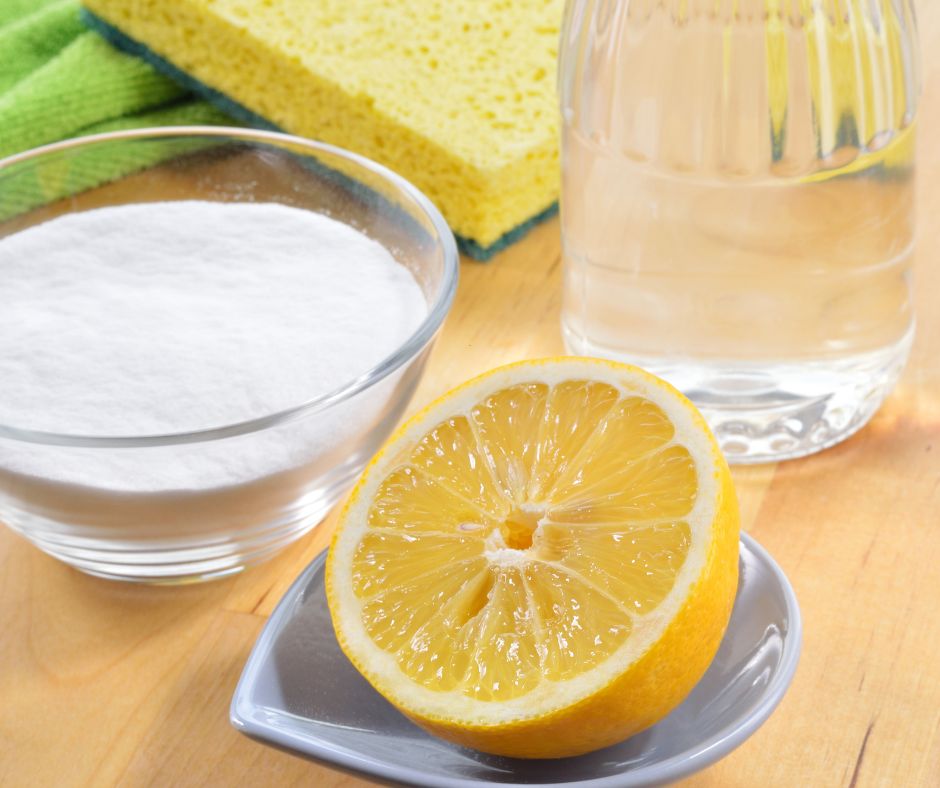
There are many cleaning products that you can easily make using ingredients you probably already have at home. Below are some suggestions:
- Glass cleaner: Use equal parts distilled white vinegar and water on glass surfaces.
- All-purpose cleaner: Use a DIY solution of water and white vinegar with a little dish soap for many everyday cleaning jobs.
- Floor cleaner: Use warm water mixed with a suitable cleaner recommended for your floor such as white vinegar, Castille soap, or dish soap.
- Microwave cleaner: Heat a microwave bowl of water until it steams, then wipe away loosened food particles.
- Air fresher spray: Boil a mixture of water and white vinegar for a few minutes to neutralize strong odors or make a simmer pot of fruits, herbs, and spices.
- Carpet deodorizer: Use baking soda to neutralize smells and add essential oils for fragrance.
Food and everyday spending
16. Takeout when you already have an easy meal at home
Before you grab takeout on your way home from work or order delivery, check to see what you already have in your fridge and pantry. You might have the ingredients for a quick meal you can throw together.
Eggs and toast, a bowl of pasta, naan or English muffin pizzas, quesadillas, or fried rice with leftovers that need to be eaten. This can save you the cost of getting takeout without much effort.
There’s no need to make a gourmet dinner every night. I like having a few pantry-friendly meals in my back pocket for busy days when I don’t feel like cooking.
One of my favorite options is freezer breakfast burritos that I prep and keep in the freezer for a quick meal.
17. Groceries without checking your pantry first
Before heading to the grocery store, take a quick look at what you already have in your fridge, pantry, and freezer.
You might have veggies that need to be used up in your fridge, pasta in your pantry, canned beans, rice, or other ingredients for dinner hiding in your cupboard. Using what you have can reduce food waste and saves money.
Shop your kitchen first, then make a list of what you actually need at the grocery store. Check the flyers to see what’s on sale and make the most of what you already have at home.
18. Coffee and snacks you buy out of habit
Your morning coffee run or afternoon snack may seem like a small expense, but they can quietly drain your bank account over time.
Next time you’re tempted to grab take-away coffee or a snack at the checkout, ask yourself if you really want it or if it’s just out of habit.
To save money, try brewing your coffee at home and bringing it in a tumbler or pack snacks before heading out the door.
As a toddler mom, I always keep granola bars, fruit, nuts, or homemade muffins on hand for when hunger strikes.
You don’t have to completely cut out takeaway coffee or every treat – just save those visits for special occasions. That way you’ll enjoy them even more.
19. Specialty ingredients for recipes you’ll only make once
Speciality ingredients are often expensive and bought for a single ambitious recipe that usually sit in the back of your fridge or cupboard until they expire.
Maybe it’s an exotic spice, a fancy vinegar, or specialized sauce – if you’re only going to use it once, then it’s probably not worth buying.
As someone who loves to cook, I have bought many speciality ingredients over the years that have unfortunately gone to waste because I didn’t use them up before they went bad.
If you want to make a recipe that uses an ingredient you don’t regularly buy, check to see what other recipes you can make to use up that item, or look for a substitute you already have at home.
20. Duplicate pantry staples because you forgot what you had
I’ve wasted so much money buying duplicate pantry staples because I forgot what I already had at home.
Before heading to the grocery store, take inventory of what you have hiding in the back of your cupboards.
Aim to organize your shelves once a month, keep a running list of grocery items that you need, and use up what you already have before restocking. This helps reduce food waste and saves money.
Digital purchases and impulse buys
21. Apps and subscriptions you barely use
A $10 or $20 monthly subscription might seem harmless, but if you have multiple digital subscriptions, those expenses can quickly add up!
Take a moment to go through your bills and cancel any forgotten streaming services, unused fitness apps, paid phone apps, and premium editing tools or services.
If you enjoy streaming movies, try rotating apps each month. For example, pay for Netflix one month, then cancel and sign up for Disney+ the next month.
This way you’ll only pay for one platform at a time instead of keeping a half-dozen running every month.
22. Online courses you don’t have time to take
Don’t buy another online course with the intention of learning a new skill “someday”.
As someone who loves to learn new things, from hobbies to marketing tips to help improve my online business, I have a backlog of unfinished classes that I need to get through.
Adding one more to the list isn’t magically going to give you more hours in the day. Instead, use the learning tools that you’ve already paid for or search for free online classes through your local library.
23. Books you could borrow from the library
You’d be surprised to find out just how many great books your local library has available to borrow for free, including bestselling novels to the latest cookbooks or personal finance books.
Before spending money on a book that you’ll only read once, check the library first to see if it’s available. It’s an easy way to save money and reduce clutter.
The library also has movies, magazines, e-books, music CDs, and games you can borrow too.
24. Cheap impulse buys at the checkout
I know it’s tempting to grab those small $5 or $10 items at the checkout, but they can quietly eat away at your budget.
I used to impulse buy stuff while waiting in line at the checkout of stores like HomeGoods. They always have interesting little items that seem too good to pass up, like fancy coffee mugs, travel-size toiletries, cute hair accessories, or novelty gadgets.
Before buying, ask yourself: Would I have come into the store looking for this? If the answer is no, then put it back. Your wallet will thank you as the savings add up over time.
25. Items you add to your cart just because they’re on sale
It’s easy to convince yourself that you’re saving money when something is marked down to 50% or 70% off, or when a retailer that rarely has sales offers 20% off everything.
But here’s the truth: If you weren’t planning to buy it before you saw the sale, then you’re not saving money by buying it now. You’re actually spending money that you would have kept in your pocket.
For your no-buy year, challenge yourself to stop buying these temptations:
- Skincare products because of limited-time deals.
- Clothing that doesn’t fit your personal style just because they were on sale.
- Cute shoes that hurt your feet just because they’re marked down.
- Seasonal decorations that you’ll only use for a few weeks and have no place to store afterwards.
- Makeup backups when you haven’t finished using up what you already have.
- Speciality products for a sport or hobby you might do “someday”.
- Craft supplies for a project you might never start or finish.
- Fitness equipment or memberships you haven’t made time to use.
- Cute coffee mugs or tumblers when your cupboards are already full.
26. Gadgets that duplicate what you already own
Before you buy another kitchen gadget or the latest viral tech accessory, take a look at what you already have. Perhaps you have something at home that can accomplish the job without having to buy a separate appliance or accessory for every little task.
Below are some common gadgets to stop buying this year to keep your home clutter-free and save money:
- Single-purpose kitchen gadgets like avocado slicers.
- A dedicated egg cooker when you can use your saucepan or skillet to do the job.
- A dedicated smoothie maker when your blender can do the job.
- A second air fryer just because the new version has extra features and settings.
- A speciality hair styling tool if the tools you already have can help you achieve the styles you like.
- A mini waffle maker if you already own a full-size version, it might not be worth the extra storage.
- Another coffee maker if the one you currently have works fine.
- A separate milk frother if your coffee machine already has a frothing function.
Next time you’re tempted to buy a fancy new gadget, ask yourself, “Can something I already own do this job?” If the answer is yes, then skip the upgrade and put your money towards something you actually need.
27. Decorative planners and notebooks you don’t need
Those cute decorative planners and notebooks are tempting, but if you already have unused notebooks and journals at home, you probably don’t need to buy another one.
I used to buy planners a lot in the past telling myself that I was finally going to get my life organized. But after a few weeks of using them, they would sit in my drawer collecting dust.
Use what you have first before buying another planner or try a free digital planner instead.
28. Items purchased to keep up with social media trends
When you see people on social media drinking out of the same expensive Stanley-style tumblers or using the same viral skincare product or wearing the same trending workout sets, it can make you feel like you need to buy those items too.
While it’s fun to try new things, it’s important to ask yourself, “Would I genuinely still want this if I hadn’t seen it being prompted online?”
If the answer is no, then save your money to put towards something else. Your budget doesn’t need to keep up with the algorithm.
29. Gifts bought out of obligation rather than thoughtfulness
This can be a sensitive topic because for some people, giving gifts if part of their love language and it’s deeply important for them to give gifts.
But it’s never a good idea to give a gift if you can’t afford to because this kind gesture can turn into debt and unnecessary stress.
You also shouldn’t buy a gift just because you feel obligated to give something, such as a coworker’s birthday or a distant relative’s holiday present.
Instead of buying a generic gift card, candle, or box of chocolates, focus on a thoughtful gesture that shows genuine care. This may include a handwritten note, a personalized playlist, or quality time together.
Remember that real relationships do not depend on exchanging wrapped items.
30. Anything you want to buy simply because you’re bored
Stop buying things simply because you’re bored or looking for a dopamine boost.
After my daughter was born, I spent a lot of time scrolling on my phone during the late-night feeds. This led to impulse buys that I didn’t need just because it felt good to hit that purchase button in the heat of the moment.
Before making a purchase, focus yourself to pause and take a step back. Try going for a walk, read a book, write in your gratitude journal, do a fun workout routine, or enjoy a hobby you already love.
A restless afternoon doesn’t mean you need a shopping trip. Just because you’ve had a bad day, doesn’t mean you need to buy a little treat. There are tons of little ways to treat yourself without spending money.
No-Buy vs. Low-Buy: What’s the difference?
A No-Buy means you’ve committed to not purchasing certain non-essential items for a set period, such as a month or an entire year. You create a list of things you won’t buy and stick to it.
Examples include no new clothes, no impulse skincare, no seasonal décor or items at HomeGoods, or no viral makeup products.
The goal of a no-buy challenge is to break bad spending habits, reduce clutter, and save as much money as possible.
A Low-Buy means choosing to buy less instead of buying nothing. It’s less strict than a “no-buy challenge”, where you can still purchase certain non-essential items, but you set clear boundaries on what you buy or how much you spend.
Examples include replacing makeup only when you finish using what you have, setting a monthly budget for restaurants, only buying 5 new clothing items for the year, or setting aside a planned budget for “fun money”.
The goal is to spend less without feeling deprived, while building better money habits and savings.
Which one should you choose?
Choose a No-Buy Year if you’ve accumulated too much stuff, have trouble saying “no” to impulse buys, and want to do a serious reset of your budget and spending habits.
Choose a Low-Buy Year if want to save money and simplify your life, while still allowing the occasional treats and purchases that are actually meaningful to you.
If you feel that a No-Buy Year is too extreme, doing a Low-Buy Year can be a great starting point in developing better spending habits without feeling like you have to give up everything you love.
The key to success, whichever savings challenge you choose, is to set clear rules and expectations before you start. This goal of these challenges is not to stop enjoying your money, it’s to stop spending it on things you don’t need.